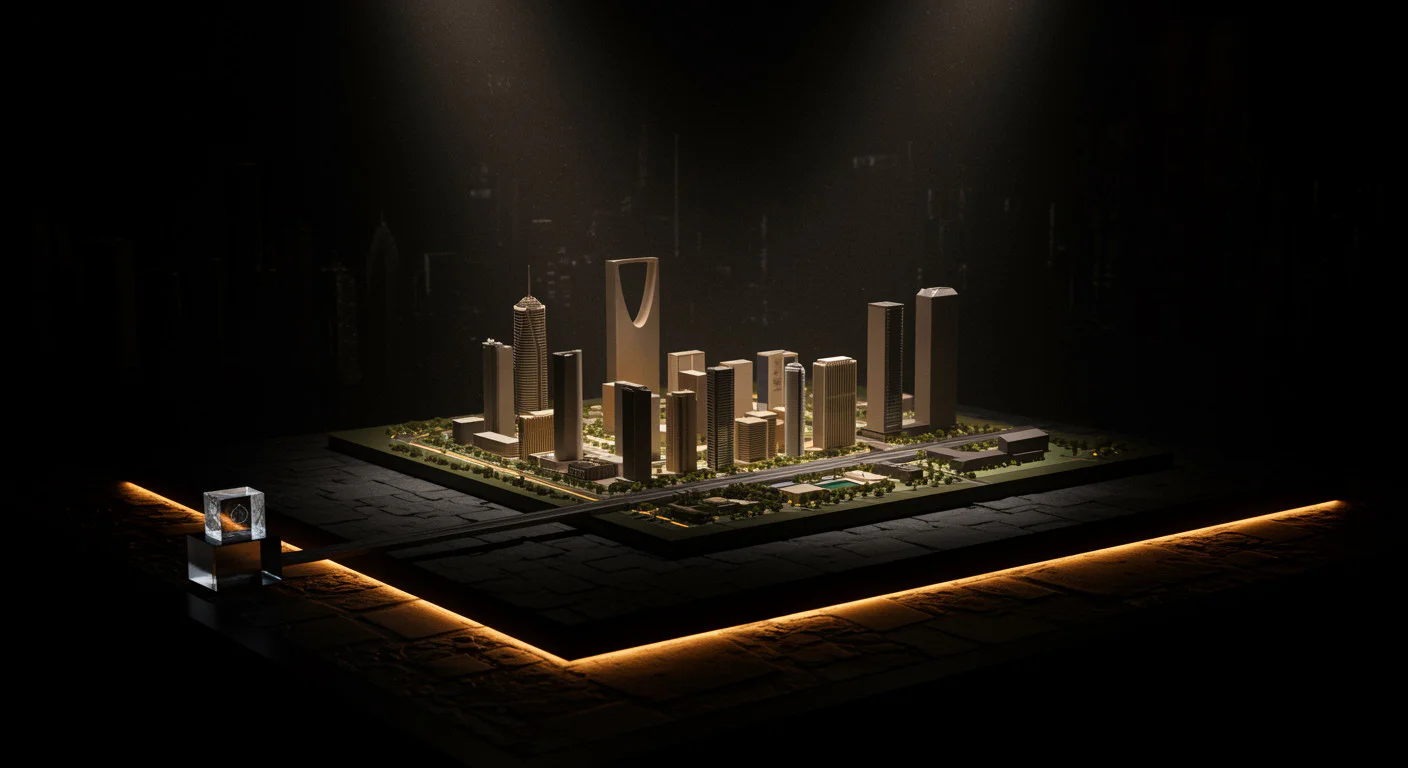
Saudi Arabia’s January 2026 real estate reform allows foreign individuals and fully foreign-owned companies to own property across the Kingdom. This comes as mid-income housing demand, Grade A office shortages, and a USD 440 billion committed development pipeline create a structurally undersupplied market for serious entrants.
New foreign-ownership rules change the entry math
The Law of Real Estate Ownership and Investment by Non-Saudis, effective 2026, permits 100 percent foreign-owned Saudi-incorporated companies to own property nationwide for offices, housing, and development. CMA-licensed funds can invest in real estate without geographic limits, while foreign residents can own personal homes in designated zones. A 5 percent real estate transfer tax and potential disposal fee of up to 5 percent apply but sit alongside an Investment Law that now grants foreign investors equal standing with domestic players.
Residential demand is structural, not speculative
Saudi residential real estate, estimated at around USD 150 billion in 2025, is projected to continue growing on the back of population expansion, urbanization, and Vision 2030 home-ownership targets. ROSHN, mandated to deliver 400,000 units by 2030, has only a fraction of that in its near-term pipeline, with current projects skewed above what many mid-income households can afford. Independent estimates suggest several hundred thousand additional mid-market units are required across Saudi and up to 800,000 across the GCC by 2030, particularly in the SAR 600,000–1.2 million band.
Commercial and pipeline dynamics favor capable developers
Riyadh’s Grade A office market is effectively full, with occupancy near 98 percent and double-digit rent growth as multinational regional headquarters cluster in financial districts. New supply is coming, millions of square meters due by 2027, but current conditions are firmly landlord-favorable. At the same time, a committed real estate and infrastructure pipeline of roughly USD 440 billion, and a broader potential pipeline above USD 1 trillion, cannot be delivered by public entities alone. With more than 170 PPP and privatization projects identified, the state is actively seeking private developers, contractors, and operators to execute.